More Work Than It Looks
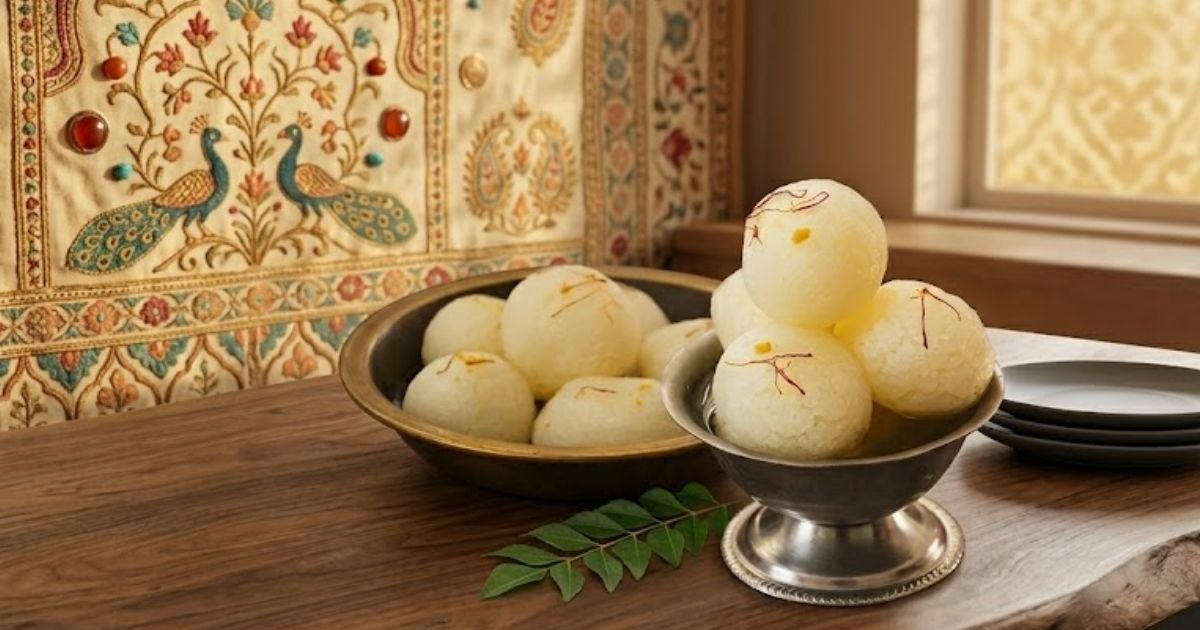
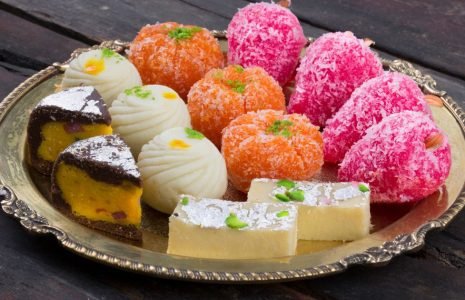
A neat tray of glossy, syrup-soaked sweets makes the whole process look effortless, but getting there involves hours of work before a shop even opens for the day. Understanding that process gives a better appreciation for what makes certain famous sweets in ranchi stand out from the rest. Bhola Misthan Bhandar
Starting Early, Every Day
Most famous sweets in ranchi shops, including counters like Bhola Misthan Bhandar’s across Kantatoli, Bijupara, and Nayatoli, start their production well before opening hours, since fresh milk needs to be curdled, kneaded, shaped, and cooked in batches rather than prepared once for the whole week.
Ingredient Choices That Actually Matter
The quality of milk used for chenna, the type of sugar used in syrup, and even the water used to prepare that syrup all affect the final taste more than most customers realize, small differences that separate an average sweet from a genuinely good one.
Shaping and Cooking as a Skilled Craft
Shaping chenna into consistent, evenly sized pieces before cooking takes practice; uneven shaping leads to uneven cooking, which affects both texture and how well a sweet holds together once it hits the syrup. Bhola Misthan Bhandar
Why Batch Size Matters
Shops that produce in smaller, more frequent batches throughout the day tend to serve fresher, famous sweets in ranchi than those making one large batch in the morning and letting it sit through closing time, a detail worth noticing if you visit a shop at different times of day.
What This Means for the Customer
None of this craft matters if it does not translate into taste, which is really the only test that counts at the counter: does the famous sweets in ranchi taste like it was made that day, or does it taste like it has been sitting? Follow us Bhola Misthan Bhandar